
Top sales engagement tips to boost LinkedIn results
Top sales engagement tips to boost LinkedIn results
TL;DR:
- Multi-image posts achieve over 6.6% engagement, significantly higher than other formats.
- Consistent, personalized LinkedIn activity over time builds trust and boosts engagement.
- Setting clear goals and using tools like LinkedIn Sales Navigator enhances outreach effectiveness.
Standing out on LinkedIn is harder than it looks. With millions of posts published every day, the average sales professional competes for a shrinking slice of attention. Engagement rates vary widely, ranging from 0.5% to over 6% depending on content type and strategy. That gap is not random. It reflects deliberate choices made by people who understand what drives real interaction. This article breaks down the most effective, research-backed sales engagement tips for LinkedIn, so you can move from guessing to executing with confidence and start seeing measurable results from your outreach and content efforts.
Table of Contents
- Define your engagement goals on LinkedIn
- Leverage multi-image posts to stand out
- Personalize connection requests and follow-ups
- Unlock the power of thought leadership and comment strategy
- Why consistency matters more than hacks in LinkedIn sales engagement
- Supercharge your sales engagement with LinkedIn tools
- Frequently asked questions
Key Takeaways
| Point | Details |
|---|---|
| Set clear goals | Clarifying your engagement objectives and benchmarks sets the stage for LinkedIn success. |
| Prioritize multi-image posts | These posts consistently achieve the highest engagement rates on LinkedIn. |
| Personalize outreach | Custom messages and tailored follow-ups increase connection and prospect response. |
| Consistent activity wins | Steady, ongoing engagement outperforms viral-focused or one-off tactics for sales professionals. |
Define your engagement goals on LinkedIn
With the challenges clear, let’s start by setting the right goals for LinkedIn engagement. Before you post a single update or send one connection request, you need to know what success looks like for you. Vague goals produce vague results. Specific goals give you a direction and a way to measure whether your effort is paying off.
There are three core engagement goals most sales professionals and small business owners work toward on LinkedIn:
- Brand awareness: Getting more people to recognize your name, your company, and what you stand for in your niche.
- Lead generation: Turning profile visitors and post viewers into actual conversations with potential buyers.
- Thought leadership: Building a reputation as a credible, knowledgeable voice in your industry so prospects come to you first.
Each goal calls for a different content mix and outreach approach. A thought leadership strategy leans on original insights and opinion-driven posts. A lead generation strategy leans on direct outreach, follow-ups, and calls to action. Knowing which one you are optimizing for keeps your effort focused.
Now, let’s talk benchmarks. B2B engagement rates average 0.5 to 1.5%, while personal brands can reach 2 to 4% with the right content. These numbers matter because they tell you what realistic progress looks like. If you are currently at 0.3%, getting to 1% is a meaningful win. If you are already at 1.5%, pushing toward 2.5% with better content formats is a clear next step.
Use LinkedIn engagement benchmarks as a reference point, not a ceiling. Your niche, audience size, and posting frequency all influence where you land.
Pro Tip: Set a 30-day goal tied to a specific number. For example, aim to increase your average post engagement from 0.8% to 1.5% by testing two new content formats this month. Tracking weekly keeps you honest and lets you course-correct fast.
Clarity about your goals also shapes how you write captions, who you target in outreach, and which metrics you check each week. Without this foundation, even the best tactics feel scattered.
Leverage multi-image posts to stand out
Now that you know what to aim for, let’s dig into the top-performing tactic on LinkedIn. If you want one format to prioritize above everything else, it is the multi-image post. The data is striking: multi-image posts earn 6.60% engagement on average, which is more than four times higher than most other content formats.
Why do they work so well? Visuals slow the scroll. When someone sees a sequence of images, curiosity kicks in. They want to know what comes next. This is the same reason slideshows and carousels perform well across social platforms. On LinkedIn, where text-heavy posts dominate, a well-designed image sequence is a genuine pattern interrupt.

| Content format | Average engagement rate |
|---|---|
| Multi-image posts | 6.60% |
| Thought leadership posts | 1 to 2% |
| Standard B2B content | 0.5 to 1.5% |
| Generic company updates | Below 0.5% |
Here is how to create a compelling multi-image post in five steps:
- Choose a focused topic. Pick one idea your audience cares about, such as a common sales mistake, a process breakdown, or a client result.
- Design a cover image that stops the scroll. Use bold text, a clear question, or a surprising stat as the first image.
- Build a narrative across the images. Each slide should lead naturally to the next, like chapters in a short story.
- Keep text on each image short. Three to five words per slide is often enough. Let the visuals do the heavy lifting.
- End with a clear call to action. Ask a question, invite a comment, or direct people to a resource.
Pro Tip: Think of your multi-image post as a mini-presentation. The best ones feel like they are teaching something valuable in 60 seconds. When using multi-image posts as part of a consistent content strategy, the compounding effect on visibility is significant.
Statistic callout: Posts with multiple images generate engagement rates of 6.60%, compared to under 2% for most other formats. That difference can translate directly into more profile views, more connection requests, and more conversations with prospects.
Personalize connection requests and follow-ups
While content matters, the magic often happens in one-to-one interactions with prospects. Sending a generic connection request is the LinkedIn equivalent of handing someone a blank business card. It communicates nothing and gives the recipient no reason to say yes.
Tailored outreach consistently lifts engagement rates above standard benchmarks. Personalization signals that you did your homework. It shows respect for the other person’s time and makes them feel seen rather than mass-targeted.
Here is a simple framework for a high-converting connection request:
- Reference something specific. Mention a post they wrote, a company milestone, or a shared connection.
- State your reason clearly. Tell them why you want to connect in one sentence.
- Keep it short. Two to three sentences is the sweet spot. Anything longer feels like a sales pitch before they have even accepted.
“Hi [Name], I came across your post on [topic] and it really resonated with what we are seeing in [industry]. I would love to connect and follow your work.”
This kind of message works because it is human. It is not trying to close a deal in the first line.
For follow-ups, use this cadence:
- Day 1: Send the connection request with a personalized note.
- Day 3 to 5 after acceptance: Send a brief, value-first message. Share a resource, ask a thoughtful question, or comment on something from their profile.
- Day 10 to 14: Follow up once more if there is no response. Keep it light, not pushy.
Common mistakes to avoid:
- Pitching your product in the first message
- Using the same template for every prospect without editing it
- Following up more than twice without a response
- Ignoring what the prospect has posted or shared recently
Personalization takes more time upfront, but the acceptance and response rates make it worth every extra minute.
Unlock the power of thought leadership and comment strategy
Beyond messages and posts, your public interactions shape your ongoing LinkedIn presence. Thought leadership is not just about what you post. It is also about how you show up in other people’s conversations.
Thought leadership posts reach 1 to 2% engagement, which is above the standard B2B content average. But the real multiplier is combining original posts with a disciplined comment strategy.
| Activity | Engagement impact | Visibility reach |
|---|---|---|
| Original thought leadership post | High, 1 to 2% rate | Your existing network |
| Strategic comment on a popular post | Medium, indirect | Extended network of poster |
| Both combined weekly | Highest compound effect | Broad and growing |
Here is why commenting works so well. When you leave a genuinely valuable comment on a post from someone with a large following, their audience sees your name. If your comment adds insight rather than just agreement, people click your profile. That is free visibility you did not have to earn with a post of your own.
Tips for building a strong comment strategy:
- Add a new angle. Do not just say “great post.” Extend the idea, challenge a point respectfully, or share a related experience.
- Be consistent. Comment on five to ten posts per week from people in your target audience or adjacent industries.
- Use your own experience. Specific stories and data points make comments memorable.
- Engage back. When people comment on your posts, reply to every single one in the first 24 hours.
Pro Tip: If you are new to LinkedIn and do not have a large following yet, start with comments. It is the fastest way to get your name in front of the right people without needing a big audience of your own.
Thought leadership is a long game, but it pays off in trust. And trust is what converts connections into clients.
Why consistency matters more than hacks in LinkedIn sales engagement
Having seen what works, it is important to address a frequently overlooked reality in sales engagement. Everyone wants the shortcut. The viral post, the magic template, the one trick that floods your inbox with leads. But the data does not support that approach.
Sustained effort lifts engagement over months, not days. The sales professionals who see real, compounding results on LinkedIn are not the ones who go viral once. They are the ones who post three times a week, comment daily, and personalize every message, week after week.
Small daily actions add up faster than most people expect. Commenting on five posts today does not feel like much. But doing that for 90 days builds relationships, visibility, and a reputation that no single viral post can replicate. Tracking your weekly activity, such as posts published, comments left, and connection requests sent, gives you a feedback loop that chasing likes never will. The teams that win on LinkedIn treat it like a sales process, not a lottery.
Supercharge your sales engagement with LinkedIn tools
If you are ready to put these tips into action, the right tools can amplify your impact. Knowing the strategies is one thing. Having the tools to execute them at scale is another.
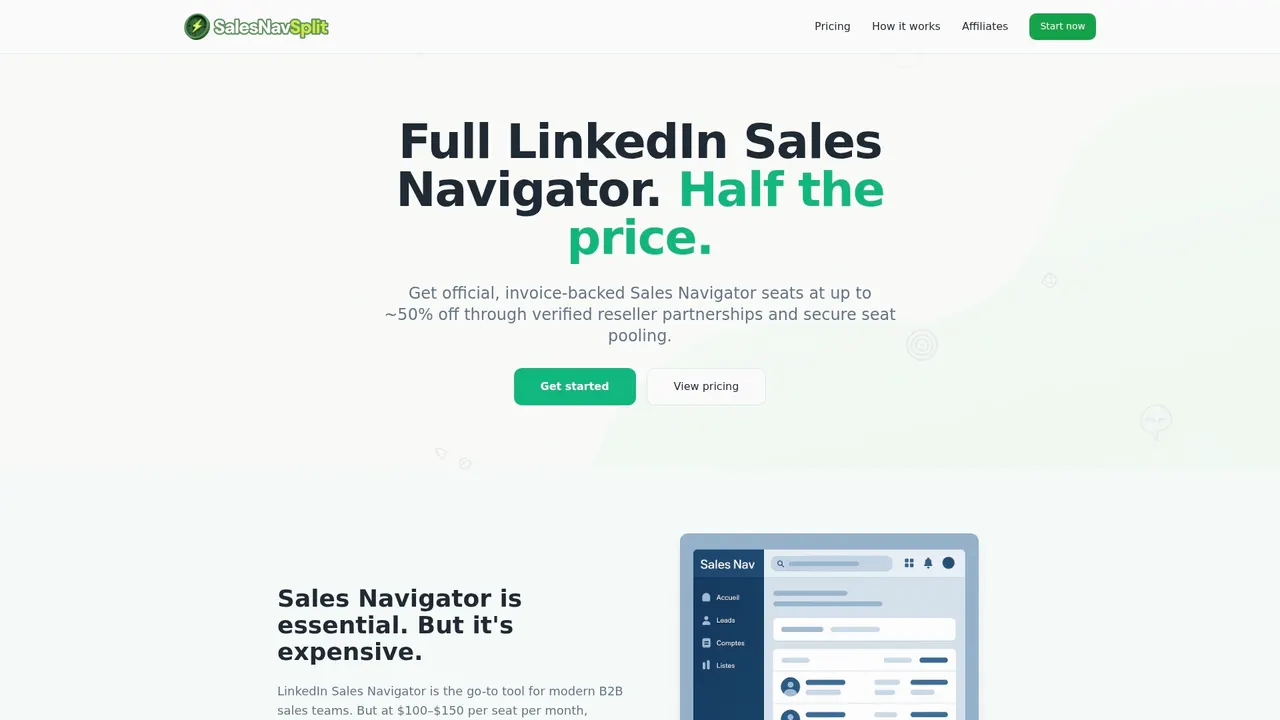
Accessing LinkedIn Sales Navigator Seats gives you advanced search filters, lead recommendations, and real-time insights that make every tactic in this article faster and more precise. At salesnavsplit.com, you can get official, verified Sales Navigator seats at around 50% off standard pricing. Seats activate within two business hours European time, billing runs through Stripe, and every license is sourced through verified reseller partnerships in the US and Europe. If you are serious about LinkedIn engagement, this is the tool that makes the difference without the full retail price tag.
Frequently asked questions
What engagement rate should sales professionals target on LinkedIn in 2026?
A realistic target is 1 to 2% for thought leadership posts and up to 6.60% for multi-image content. Start by benchmarking your current rate and set incremental goals from there.
Which LinkedIn post format gets the highest engagement?
Multi-image posts consistently earn the highest average engagement rates, often exceeding 6%, making them the top format for sales professionals looking to maximize visibility.
How often should I engage on LinkedIn to see results?
Consistency is the deciding factor. Aim for daily commenting and at least three original posts per week. Ongoing effort over months outperforms sporadic bursts of activity every time.
Do personalized messages actually improve LinkedIn connection rates?
Yes. Tailored outreach consistently outperforms generic templates, with higher acceptance rates and more replies when messages reference something specific to the recipient.